Despite being labeled by many as the “world’s deadliest food,” it continues to attract more than 500 million consumers every year. For some, the risk is woven into tradition; for others, it’s a cultural delicacy they grew up with. Even with strict preparation guidelines, this notorious food still claims over 200 lives annually, a reminder that its danger is very real despite its global popularity.
Experts often point out that the danger doesn’t come from the food itself, but from improper handling. In regions where it’s commonly consumed, chefs and food preparers undergo rigorous training to ensure safety. Yet accidents still happen—usually when the dish is made at home or sold without proper oversight. This is why education and regulation remain essential for reducing fatalities.
Despite the warnings, the demand never seems to decline. Many people swear by its flavor, tradition, or nutritional benefits, insisting that the experience is worth the cautious preparation required. To these communities, it is more than just food; it’s a symbol of heritage, identity, and shared cultural memory—something that can’t simply be replaced by safer alternatives.
As researchers and public health officials continue working to minimize risks, the food’s global story remains a complex blend of danger and devotion. People understand the risks, yet they continue to embrace it with loyalty passed down through generations. And so, each year, millions take part in a culinary ritual that walks a fine line between cherished tradition and unforgiving consequence.

Related Posts

I Spoke Too Harshly at Lunch — What Happened the Next Day Broke Me
I was against my son marrying a woman with a daughter, but he did. At a family lunch, little Amy called me grandma. I replied sharply, “I’m…

The Unforgiving Photo
Her husband, Daniel, wasn’t much into outdoor adventures, so when she went on her solo trip to a ranch for the weekend, she promised to send him…
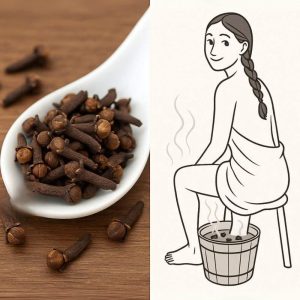
Every woman should know that clove has the power to… See more
Every woman should know that clove has the power to bring surprising benefits into everyday routines, especially when used with care and intention. This small, aromatic spice…

Biden’s Daughter Shares Major Update On His Health From The Hospital
Former President Joe Biden has completed a major round of cancer treatment, according to his family, following months of battling an aggressive form of prostate cancer that…

Despite Her Father Success in Music His Daughter Ends Up Living on the Streets
For decades, the world has watched Dr. Dre rise from a young producer in Compton to one of the most influential figures in music history, building an…

Child actor from Leave it to Beaver dies at 76
Fans of Leave It to Beaver and classic television are mourning the loss of a familiar face whose work quietly shaped a generation of childhood memories. John…