I still remember the afternoons spent in my grandmother’s cozy home. Every piece of furniture told a story, but one caught my eye more than the others—a strange wooden stool that could fold. Its design always fascinated me. Today, we rarely need such stools thanks to advances in medicine, yet they remain a perfect example of purposeful and well-crafted furniture from the past.
A Practical Solution for Gout Sufferers
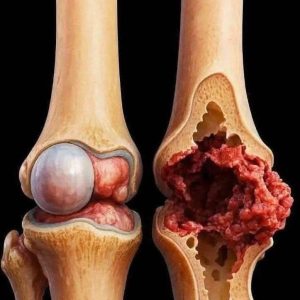
The vintage folding gout stool, often dismissed as just another old piece of furniture, played a crucial role in late 19th- and early 20th-century life. Gout—a painful form of arthritis caused by uric acid crystals—was common, especially among the elderly. Before modern treatments, sufferers relied on these stools to relieve pain by elevating their legs.
Thoughtful Design Meets Functionality
Functionality was key. Crafted from strong wood like oak, walnut, or mahogany, these stools often featured vertical bars for extra support. They folded easily, saving space in homes where every square foot counted. The wooden frames not only held the stools in shape but also showcased exquisite workmanship, a level of detail rarely seen in today’s mass-produced items.
Health and Home Intertwined
Gout stools reflect more than practical design—they reveal how health and domestic life were connected. Homes were multifunctional, and furniture needed to adapt. The folding design allowed the stool to be tucked away when not in use, keeping living spaces organized while serving a medical purpose.