James grew up feeling unwanted. Abandoned by his mother the day he was born and forgotten by a father serving time behind bars, he spent his childhood bouncing from one foster home to another. By the time he aged out of the system, he had learned not to expect kindness from anyone. He worked exhausting low-paying jobs in a quiet town, surviving day by day without friends or family. That was when his elderly neighbor, Mrs. Rhode, began calling him over to help with small chores around her home. At 85 years old and living alone, she told James she didn’t have much time left. Sitting across from him with a steaming cup of tea in her trembling hands, she made him a promise that sounded too good to ignore — if he took care of her until the end, everything she owned would one day belong to him.
At first, James saw the arrangement as business. He carried groceries inside, fixed broken lamps, organized her medications, and cleaned the house whenever she was too weak to move around. Mrs. Rhode paid him fairly, but over time something unexpected happened. Their conversations stretched longer each evening. She told stories about her late husband, the children she never had, and the loneliness that crept into her life after everyone disappeared. James, for the first time in years, found himself opening up too. He talked about the foster homes, the cold nights, and the emptiness he carried everywhere he went. One winter afternoon, Mrs. Rhode handed him a pair of horribly knitted green socks she had made herself. He laughed awkwardly and pretended they were ridiculous, but secretly, they became the first gift anyone had ever made just for him.
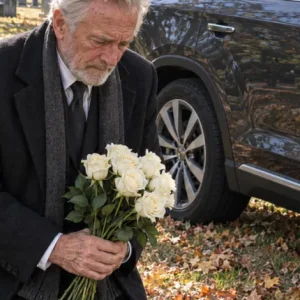
Months later, James arrived at her house one quiet morning and found her sitting peacefully in her favorite armchair, the television softly humming in the background. Mrs. Rhode had passed away in her sleep. The funeral was small and nearly empty, and James stood there feeling more grief than he expected. But the real shock came during the will reading. The lawyer calmly explained that her house would go to charity, her savings to the church, and her jewelry to a distant niece who hadn’t visited in years. James sat frozen in disbelief. After everything he had done, he received absolutely nothing. No money, no keepsake, not even a handwritten goodbye. Hurt and humiliated, he went home and spent the next day asleep in bed, convinced he had been foolish enough to believe someone finally cared about him.
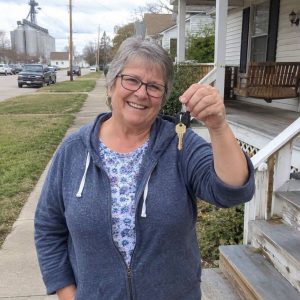
The following morning, loud knocking rattled his front door. Standing outside was the same lawyer from the will reading, holding an old dented metal lunchbox. He explained that Mrs. Rhode had left strict instructions for James to receive it only after the inheritance meeting was over. Confused, James opened the box and discovered a small brass key alongside an envelope with his name written in shaky handwriting. His hands trembled as he unfolded the letter. “James, you’re probably angry that I left you nothing,” the first line read. “But believe me — what I prepared for you will change your life.” Before he could even finish reading, tears blurred his vision. Attached to the note was information about a safety deposit box opened secretly in his name months earlier. Inside, Mrs. Rhode had placed documents proving she had purchased a small house for him outright, along with enough savings to help him start over completely debt-free. But even more than the house, her final words shattered him: “I didn’t want to leave you wealth. I wanted to leave you a home — because every child deserves one.”